
Current position:Home > News
2025-12-16
International toy shipping appears simple at first glance. However, reality quickly reveals deeper complexity. Toys move across borders, regulations, and consumer expectations. Therefore, logistics planning demands specialized global expertise. Moreover, toys face stricter scrutiny than many consumer products. Consequently, mistakes create delays, fines, and market disruption.
Toy supply chains serve highly sensitive end users. Children represent the final consumers. As a result, governments enforce elevated safety standards. Meanwhile, retailers demand strict delivery timelines. Therefore, international toy shipping balances compliance, speed, and cost.
This article explains why toy logistics remains uniquely challenging. Each section explores a hidden layer of complexity. Together, they reveal why professional logistics strategy matters.
Toys interact directly with children, so regulatory authorities impose far stricter controls than on general consumer goods. Unlike standard merchandise, toys must meet product-specific safety approvals before entering international markets. Regulatory frameworks vary significantly by region, which greatly increases global compliance complexity.
In the United States, toy imports must comply with CPSIA safety and testing requirements. European markets require CE marking supported by EN safety standards and technical documentation. Across Asia, countries apply localized regulatory systems with distinct testing and certification rules.
These differences expand documentation requirements and complicate cross-border logistics coordination. Any compliance failure can result in shipment detention and increased inspection frequency. Repeated violations also harm the importer's credibility and long-term market access.
Therefore, successful international toy shipping depends on precise regulatory planning to protect timelines and brand reputation.
Toy safety testing addresses multiple risk categories, with chemical composition, mechanical strength, and flammability remaining core compliance priorities. These regulatory requirements directly affect production readiness and determine whether products qualify for export approval.
Extended testing cycles frequently lengthen manufacturing timelines, while missing certificates can delay customs clearance. As a result, shipping schedules rely heavily on accurate documentation and early compliance verification.
Professional logistics coordination integrates testing milestones into production and transport planning. This alignment reduces clearance risks, prevents unnecessary storage costs, and supports efficient international toy shipping.
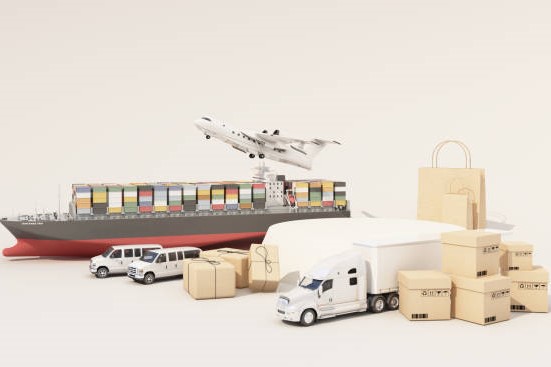
Toy classification often seems simple at first glance, yet significant complexity arises during formal customs review processes. Material composition directly determines applicable HS codes, while product functionality further influences final classification decisions. As a result, inaccurate tariff coding frequently leads to valuation disputes, clearance delays, and unexpected compliance risks.
Electronic toys are subject to distinct tariff structures, whereas plush toys fall under textile-related customs categories. Mechanical toys introduce additional classification variables, increasing the likelihood of regulatory scrutiny by customs authorities. Therefore, precise HS code determination remains a critical requirement for compliant international toy shipments.
Professional logistics teams conduct detailed product analysis to assess materials, structure, and functional attributes. They verify HS classifications before shipment to reduce regulatory exposure and minimize customs intervention. Accurate classification ultimately safeguards profit margins, delivery timelines, and long-term supply chain stability.
Toy packaging fulfills both regulatory and logistical functions, ensuring safety communication and age-appropriate guidance. Additionally, materials must meet sustainability requirements, influencing customs clearance outcomes.
Many regions demand multilingual labeling, while others specify standardized warning formats. Concurrently, environmental regulations restrict certain substances, making noncompliant packaging a barrier to importation.
Logistics providers actively manage packaging compliance, verifying adherence to destination standards. Consequently, international toy shipping relies on a proactive packaging strategy, with compliance ensured before transit.
During holiday seasons, toy demand surges, narrowing shipping windows and increasing the risk of retail penalties. Consequently, precise seasonal planning becomes essential.
Global logistics capacity faces significant strain as ports experience congestion and air freight rates escalate. Simultaneously, intensified customs inspections amplify the likelihood of delays.
Proactive strategies, such as advanced booking and diversified routing, mitigate congestion risks and enhance supply chain resilience. Therefore, international toy shipping requires careful forecasting and preparation to secure timely market access.
During holiday periods, toy demand rises sharply, compressing shipping windows and increasing retail penalty risks. Consequently, precise seasonal planning proves essential for meeting market expectations.
Global logistics networks encounter high strain as port congestion grows and air freight rates escalate significantly. Simultaneously, stricter customs inspections further elevate the probability of shipment delays.
Implementing proactive strategies, including advanced booking and diversified routing, effectively mitigates congestion risks and strengthens supply chain resilience. Therefore, international toy shipping demands meticulous forecasting and preparation to ensure timely market delivery.

Global toy supply chains span multiple continents, making inventory visibility critical. Retailers require precise arrival forecasts, as promotional campaigns depend on accurate timing. Consequently, tracking reliability directly influences planning, sales strategies, and overall trust. Advanced logistics systems provide real-time updates, enabling proactive issue resolution and predictable international shipping, which strengthens retailer partnerships and operational confidence.
Global toy supply chains span multiple continents, making inventory visibility critical. Retailers require precise arrival forecasts, as promotional campaigns depend on accurate timing. Consequently, tracking reliability directly influences planning, sales strategies, and overall trust. Advanced logistics systems provide real-time updates, enabling proactive issue resolution and predictable international shipping, which strengthens retailer partnerships and operational confidence.
Toy recalls can significantly damage brand reputation, making logistics accuracy critically important. Furthermore, transit damage directly impacts consumer safety perception, highlighting the need for proactive risk mitigation.
Moisture exposure compromises packaging integrity, while temperature fluctuations can affect sensitive materials. In addition, theft risks remain during transport, necessitating comprehensive protective logistics solutions.
Robust security protocols minimize exposure, and insurance coverage provides essential financial safeguards. Therefore, international toy shipping requires careful risk planning to preserve both safety and brand trust.
Toy brands increasingly face sustainability expectations, driving evolution in logistics strategies. Carbon reduction objectives directly influence transport mode selection and operational practices.
For example, sea freight lowers emissions, optimized packaging reduces waste, and consolidation enhances efficiency.
Consequently, shipping decisions impact brand perception and support environmental commitments. Sustainable logistics practices strengthen brand credibility, aligning operations with consumer values.
Thus, responsible international toy shipping integrates ethical practices with operational efficiency.
International toy shipping requires deep expertise across compliance, timing, and safety regulations. General freight experience alone cannot address these complexities effectively. Even minor errors may trigger cascading operational and financial consequences.
Specialized logistics providers add value by anticipating challenges before they arise. They proactively manage documentation, optimize routes, and maximize capacity efficiency. As a result, supply chains maintain resilience under varying international conditions.
Preparation and experience transform complex operations into controlled, predictable outcomes. Expertise in international toy shipping delivers competitive advantages for brands. Knowledge of global regulations, transport requirements, and seasonal demands is essential.
Toy logistics extends far beyond simple transportation. It integrates regulatory compliance, safety standards, and strict market timing requirements. Each stage presents complexity, and mistakes often generate high costs.
Structured logistics strategies, however, mitigate these risks effectively. Professional coordination ensures operational efficiency and consistent compliance. Consequently, supply chains achieve stability, reliability, and predictable delivery performance.
Brands that acknowledge this complexity gain strategic advantages. They safeguard schedules, protect brand reputation, and maintain customer trust. Ultimately, expert logistics transforms potential challenges into opportunities for growth.
Copyright All Rights Reserved 2009-2025 - JTT Logistics Company Limited Co., Ltd.
Powered by UTHEME


