
Current position:Home > News
2026-07-17
Network equipment manufacturers, telecom suppliers, and procurement teams often choose LCL shipping when cargo volume does not require a full container. However, many businesses ask the same question: Is LCL shipping safe for high-value telecom equipment, and how can you avoid unexpected costs or delivery delays?
LCL shipping offers a cost-effective solution for international telecom equipment transportation. However, consolidated cargo also introduces potential risks, including cargo handling, customs clearance delays, destination charges, and shipment coordination. Therefore, understanding these challenges helps businesses plan more reliable and efficient international logistics.
Choosing the right LCL shipping strategy can improve supply chain performance while protecting sensitive telecommunications equipment during transit. This guide explains the main risks of Less than Container Load (LCL) shipping for telecom equipment and shares practical ways to reduce hidden fees, minimize delays, and ensure smooth international delivery.
Sourcing LCL transport for expensive electronic assets without proper risk mitigation can lead to severe operational issues. These issues include unexpected destination agent fees, customs delays at inland transit borders, or local consignees exploiting regional port policies to demand storage charge waivers. Conversely, implementing standard protective procedures ensures maximum cargo security, predictable pricing, and highly efficient customs clearance. This comprehensive B2B logistics guide outlines the most vulnerable stages of the LCL shipping journey, evaluates complex transit documentation requirements, and provides a strategic framework to protect your high-value telecom investments.
To secure predictable shipping budgets, your logistics team must look beyond the initial ocean freight rate quoted at the origin port. During less-than-container-load consolidation, various freight forwarders frequently advertise extremely cheap or even "zero" origin freight rates. However, they offset these artificial discounts by charging exorbitant, inflated fees at the destination port.
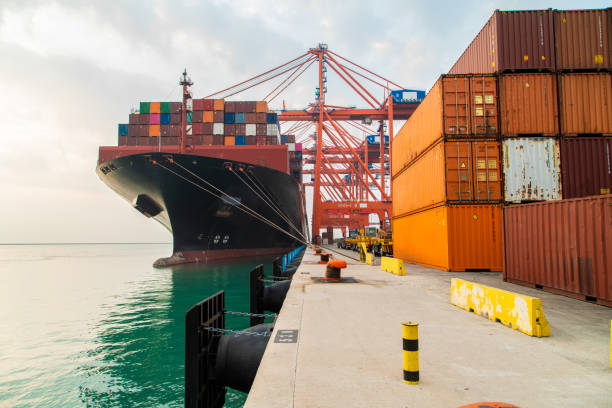
This pricing imbalance occurs because the destination agent must deconsolidate the container, manage terminal handling, and warehouse the loose cargo. Ports across Europe, the Middle East, and Southeast Asia are particularly notorious for charging high, complex destination fees under obscure names like "China Import Service Fee" or "Deconsolidation Surcharges."
Therefore, you must demand a complete, itemized breakdown of all destination port charges from your freight forwarder before booking. Sending this detailed local tariff sheet directly to your foreign buyer for verification before the ship sails eliminates costly payment disputes and prevents the buyer from abandoning the cargo at the port.
Shipping high-value telecom hardware to landlocked developing nations or remote inland construction sites introduces complex regulatory challenges. For example, when routing cellular antennas or fiber-optic gear through Kolkata, India, to reach final installation sites in Nepal, standard ocean shipping documents are simply insufficient to complete the journey.
ss="yoast-text-mark">a-path-to-node="15">To ensure smooth cross-border customs transit, your documentation team must insert highly precise, legally binding transit bill of lading clauses directly into the cargo description section of the Bill of Lading (B/L). A standard, required format includes:
"CARGO IN TRANSIT TO [FINAL COUNTRY] VIA [TRANSIT PORT] BY [CARRIER NAME] ON BEHALF OF [CONSIGNEE] AT CONSIGNEE'S RISK AND EXPENSE."
a-path-to-node="17">If you omit this exact transit declaration, the destination ocean carrier will discharge the container at the intermediate port and terminate their transport contract immediately. Consequently, local customs officials will refuse to release the cargo for international transit, forcing your team to file expensive new customs declarations and pay heavy local port storage fines.
High-value electronics cargo always faces a higher risk of commercial fraud and payment defaults during international transit. In certain developing ports, unscrupulous buyers may intentionally delay customs clearance or refuse to collect their ata-index-in-node="245">telecom equipment LCL shipping packages. They do this to exploit local port regulations, allowing high storage and demurrage fees to pile up over several weeks.
[Buyer Deliberately Delays Pickup]
        |
        v
[Port Fees Accumulate Rapidly] ---> Buyer Demands Huge Price Discounts
        |
        v (Logistics Countermeasure)
[Immediate Shipper Instruction] ---> Instruct Carrier to Change Consignee ---> Retain Cargo Control
a-path-to-node="22">Once the accumulated storage fees approach the actual market value of the equipment, these dishonest buyers pressure the exporter to slash the invoice price or waive outstanding balances. If you detect any signs of buyer stalling or payment delays, you must act quickly.
a-path-to-node="23">Instruct your freight forwarder to submit an immediate amendment to the ocean carrier, changing the consignee name on the B/L to a trusted local logistics partner or a secondary buyer. Taking this immediate action allows you to retain full control over your physical cargo and prevents the original buyer from using high port fees to force a cheap settlement.
| Potential LCL Shipping Risk | Primary Operational Impact | Recommended Prevention Strategy |
| Inflated Destination Agent Fees | High local import costs; potential cargo abandonment | Demand a complete local tariff sheet before booking and get buyer approval |
| Physical Handling Damage | Cracks or moisture damage from neighboring cargo | Pack equipment in heavy-duty, IP-rated wooden crates with impact sensors |
| Inland Border Transit Delays | Cargo blocked at transit hub; high customs fines | Add precise "CARGO IN TRANSIT TO" clauses to the Bill of Lading |
| Consignee Storage Exploitation | Loss of cargo control; forced invoice discounts | Actively monitor port arrival times and change the consignee if payment stalls |
a-path-to-node="30">Logistics directors can easily protect their transit budgets and secure maximum cargo safety by integrating three strict operational checks into their standard shipping procedures:
a-index-in-node="0">Incorporate Impact and Tilt Sensors: Because LCL cargo is handled multiple times at consolidation warehouses, always mount physical impact and tilt indicators (such as ShockWatch labels) directly onto the exterior of your equipment crates. These sensors provide clear, visible proof of rough handling, making it much easier to file successful cargo insurance claims.
a-index-in-node="0">Audit the Cargo Mix Inside the Container: Instruct your consolidation partner to never pack heavy industrial chemicals, corrosive liquids, or magnetically active machinery inside the same container as your sensitive telecom circuits. Ensuring proper cargo separation prevents chemical leaks or magnetic interference from damaging your electronics.
Mandate ISPM-15 Certified Wooden Crating: Ensure your packaging team uses heat-treated, ISPM-15 compliant wooden crates for all LCL shipments. Non-compliant wood will trigger immediate quarantine holds by customs biosecurity agents, resulting in long delays and expensive container fumigation fees.
In conclusion, maintaining a highly profitable, reliable international supply chain requires managing LCL shipments with absolute technical and legal precision.
Successful international shipping depends on accurate planning, compliant documentation, and reliable logistics services. Choosing an experienced LCL shipping provider helps reduce unexpected costs, customs delays, and cargo handling risks.
A professional logistics partner evaluates shipping routes, prepares the required export documents, and supports efficient customs clearance. As a result, telecom equipment arrives more safely and with greater schedule reliability.</p>
Whether you ship communication devices, networking equipment, or other electronic products, reliable freight planning supports efficient global delivery and supp
ly chain performance. Contact our logistics team to discuss your cargo requirements and receive a tailored LCL shipping solution with transparent pricing and professional shipping support.
Copyright All Rights Reserved 2009-2026 - JTT Logistics Company Limited Co., Ltd.


