
Current position:Home > News
2025-12-01
Sea freight forwarding remains a cornerstone of global trade. It enables the efficient transportation of large volumes across continents. For bulk commodities, including grains, minerals, and industrial goods, ocean freight offers cost advantages unmatched by air or land transport. Understanding how sea freight forwarding reduces expenses is critical for businesses in international trade.
Global supply chains depend on timely and predictable shipments. Sea freight forwarding consolidates cargo, optimises routing, and streamlines customs processes. These strategies minimise idle time, reduce fees, and maximise vessel utilisation. By employing forwarders, companies leverage expertise and infrastructure to lower overall transport costs.
One primary cost-saving mechanism is cargo consolidation. Freight forwarders combine smaller shipments into larger containers. This reduces per-unit shipping costs.
Bulk commodity traders benefit from Full Container Load (FCL) and Less-than-Container Load (LCL) options. FCL provides exclusive container space, reducing handling costs and transit damage risk. LCL enables smaller shipments to share container space, spreading expenses across multiple clients. Both strategies optimise vessel usage and minimise space.
Forwarders also advise on packaging and stowage methods. Efficient packing maximises volume utilisation within containers. Proper stowage prevents shifting and damage, reducing insurance claims and replacement costs. Every cubic meter saved translates into tangible cost benefits.
Optimised shipping routes are essential for cost reduction. Forwarders analyse port schedules, shipping lanes, and transhipment points to select the most economical options.
By minimising detours and port stays, forwarders reduce fuel consumption and handling charges. Predictable transit times also reduce demurrage and storage fees. Efficient routing ensures that bulk commodities reach their destination faster while maintaining cost control.
Seasonal variations influence route planning. Forwarders monitor weather patterns, port congestion, and market demand to anticipate delays. By proactively adjusting routes, they avoid costly disruptions and enhance delivery reliability.
[caption id="attachment_639" align="alignnone" width="612"]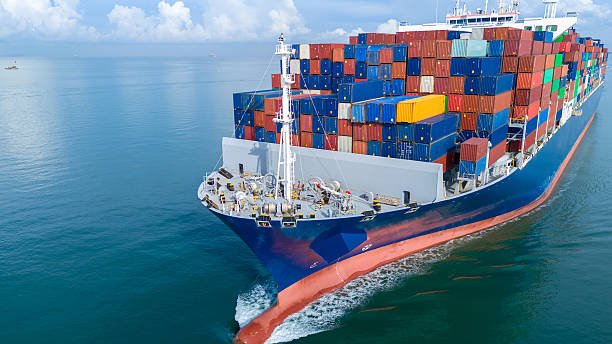 [/caption]
Freight forwarders negotiate competitive rates with shipping lines. Their volume leverage allows access to discounted tariffs unavailable to individual shippers.
Forwarders secure long-term contracts, spot rates, and volume-based discounts. These agreements stabilise shipping costs, protecting businesses from market volatility. Additionally, forwarders can advise on peak season surcharges and bunker adjustments, helping companies budget effectively.
For bulk commodity trading, predictable shipping costs are critical. Price fluctuations in freight rates can significantly impact profit margins. Professional forwarders mitigate these risks through strategic carrier selection and contract management.
Efficient documentation is another cost-saving aspect. Sea freight involves bills of lading, packing lists, commercial invoices, and certificates of origin.
Forwarders ensure documents comply with international regulations, reducing the risk of customs delays or fines. They also provide guidance on import/export licenses and tariffs. Streamlined documentation prevents demurrage, detention charges, and storage costs at ports, significantly reducing overall transport expenses.
Customs brokerage services by forwarders accelerate clearance. Automated systems and pre-clearing processes shorten port dwell time. Fast processing ensures cargo moves smoothly through international checkpoints, preserving supply chain efficiency.
Bulk commodity shipping carries inherent risks. Damage, loss, or delay can result in high costs. Sea freight forwarding mitigates these risks through careful planning and insurance solutions.
Forwarders assess cargo vulnerability and recommend appropriate insurance coverage. They also advise on packaging standards and handling protocols. Risk management strategies prevent losses and reduce claims processing time, minimising financial exposure.
Additionally, forwarders monitor carrier reliability and port conditions. Contingency plans, such as alternate routes or emergency transhipment, further protect shipments. Proactive risk management reduces potential cost escalations.
Modern sea freight forwarding relies on technology to optimise operations. Real-time tracking, digital documentation, and analytics improve decision-making.
Forwarders use software to monitor vessel location, cargo status, and estimated arrival times. These tools allow clients to plan inventory and reduce storage costs. Data-driven insights also identify inefficiencies, enabling continuous cost reduction.
Automated booking systems simplify scheduling and reduce manual errors. By integrating technology, forwarders streamline operations, reduce administrative costs, and enhance service reliability.
Forwarders leverage relationships with shipping lines, port operators, and logistics providers. Strategic partnerships facilitate bulk handling discounts and priority loading.
Companies shipping large quantities benefit from economies of scale. Forwarders consolidate shipments from multiple clients to maximise vessel capacity. Shared infrastructure reduces per-unit costs while maintaining service quality. Volume-based efficiencies translate directly into lower shipping expenses for bulk commodities.
Selecting optimal ports reduces fees and handling costs. Forwarders assess port tariffs, labour efficiency, and equipment availability.
Modern container terminals offer automated handling, reducing labour costs and dwell times. Choosing high-capacity ports minimises congestion delays and ensures smooth cargo transfer. Forwarders guide clients in selecting cost-effective ports that maintain service standards.
Fuel consumption is a significant expense in bulk shipping. Forwarders optimise vessel speed, route, and load to reduce fuel costs.
Energy-efficient vessels and eco-friendly practices lower operational expenses. Reducing fuel consumption also aligns with corporate sustainability objectives. Forwarders help clients balance cost savings with environmental responsibility.
Sea freight forwarding extends beyond port-to-port transport. Coordination with inland warehouses ensures timely cargo movement.
Forwarders manage container pick-up, storage, and delivery schedules. Efficient coordination reduces demurrage fees and avoids storage overruns. Integrating ocean freight with last-mile logistics improves overall cost efficiency and supply chain reliability.
Experienced forwarders provide market insights to support strategic shipping decisions. They monitor shipping trends, global trade volumes, and commodity flows.
Forwarders advise on seasonal price variations, port congestion, and fuel costs. Informed planning allows shippers to schedule shipments during favourable market windows. A proactive strategy reduces unexpected costs and maximises efficiency.
Major commodity traders rely on sea freight forwarding to reduce costs. Grain exporters from South America consolidate shipments for Europe and Asia, cutting per-ton expenses.
Mineral exporters in Africa benefit from optimised port selection and carrier contracts. Bulk chemical shipments from Asia achieve consistent delivery schedules through forwarder-managed routing. These examples illustrate tangible savings and enhanced reliability.
Digitalisation and automation continue transforming sea freight forwarding. Blockchain-based documentation, AI-driven routing, and predictive analytics optimise operations.
Automation reduces administrative errors, accelerates processing, and cuts operational costs. Forwarders adopting technology maintain a competitive advantage, offering cost-effective, transparent, and reliable services for global bulk commodity shipping.
Sea freight forwarding remains indispensable for international bulk trade. It reduces transportation costs, minimises risks, and ensures timely delivery.
Forwarders consolidate shipments, optimise routes, negotiate rates, and manage documentation. Their expertise allows companies to focus on core business operations while maintaining efficient supply chains. Cost savings, efficiency, and reliability establish forwarders as strategic partners in global commerce.
Sea freight forwarding offers comprehensive cost advantages in global bulk commodity shipping. Consolidation, optimised routing, negotiated rates, and efficient documentation reduce overall expenses.
Risk management, technological integration, and port selection further enhance savings. Forwarders provide strategic insights and operational expertise, ensuring bulk commodities move efficiently, safely, and economically across international markets.
In an increasingly competitive global trade environment, leveraging sea freight forwarding is essential for minimising costs, maximising efficiency, and sustaining long-term profitability in bulk commodity operations.
Copyright All Rights Reserved 2009-2025 - JTT Logistics Company Limited Co., Ltd.
Powered by UTHEME


